






































The Digital Triage: How AI Chatbots are Redefining the Patient Experience in Nigeria’s Healthcare Sector
The Digital Triage: How AI Chatbots are Redefining the Patient Experience in Nigeria’s Healthcare Sector
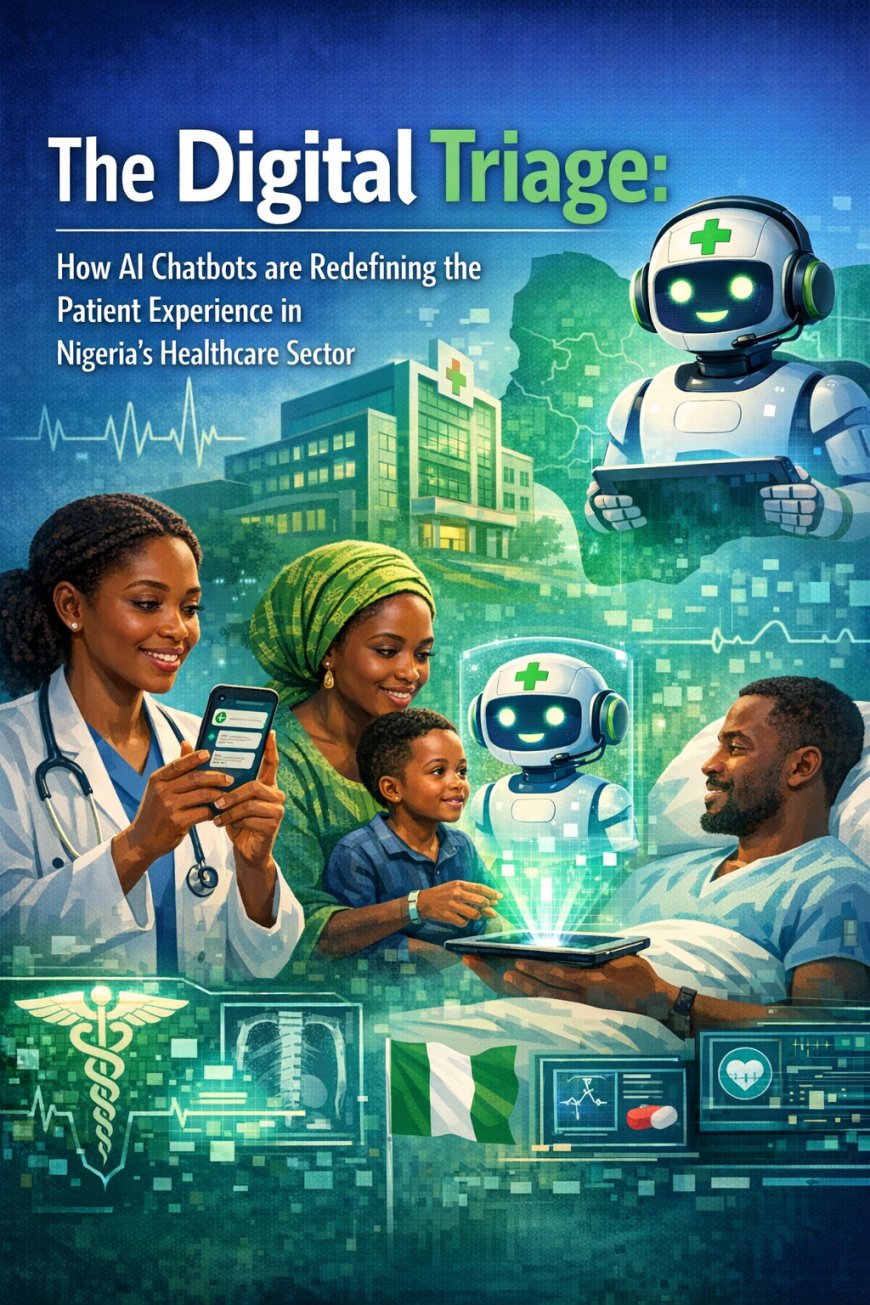
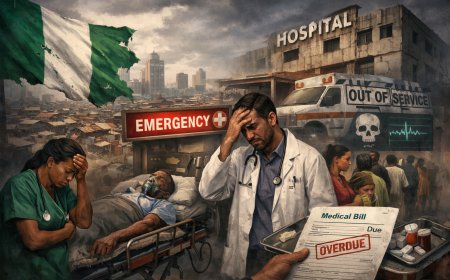
In the bustling waiting rooms of public and private hospitals across Lagos, Abuja, and Kano, a silent revolution is taking place. For decades, the Nigerian healthcare system has grappled with a persistent challenge: a staggering doctor-to-patient ratio. With the World Health Organization (WHO) reporting roughly four doctors for every 10,000 patients in Nigeria, the strain on medical professionals is immense, often leading to long wait times, physician burnout, and delayed diagnoses.
However, a new ally has emerged in the corridors of Nigerian health informatics—Artificial Intelligence. Specifically, AI-powered chatbots are transforming from simple customer service tools into sophisticated clinical assistants, reshaping how Nigerians access medical consultations.
Bridging the Accessibility Gap
The primary hurdle in Nigerian healthcare is accessibility. For many in rural areas or congested urban centers, visiting a hospital involves hours of travel and an entire day spent in a queue. AI chatbots are effectively "decongesting" these physical spaces.
Platforms integrated with popular messaging services like WhatsApp—which boasts massive penetration in the Nigerian market—allow patients to describe their symptoms in real-time. These bots use Natural Language Processing (NLP) to understand queries, offer immediate guidance, and determine the urgency of a condition. By providing 24/7 availability, these tools ensure that a "consultation" of sorts is always within reach, regardless of the time of day or geographical location.
Intelligent Triage and Efficiency
One of the most significant contributions of AI in Nigerian hospitals is the automation of triage. Not every hospital visit requires a specialist’s immediate attention. AI chatbots act as a first line of defense, categorizing patients based on the severity of their symptoms.
A patient experiencing mild flu symptoms might be directed to home care protocols or a local pharmacy, while someone describing chest pains or acute respiratory distress is immediately flagged for emergency intervention. This systemic sorting ensures that Nigeria’s limited medical personnel focus their expertise where it is most critically needed, significantly improving the operational efficiency of overstretched clinics.
Overcoming the "Brain Drain" with Technology
Nigeria continues to face a "brain drain" as medical professionals seek opportunities abroad. While technology cannot replace a surgeon’s hand or a physician’s empathy, AI chatbots provide a "force multiplier" effect. They handle the repetitive, data-heavy aspects of primary care—such as collecting medical histories, tracking medication adherence, and answering frequently asked questions about chronic conditions like hypertension or diabetes.
By automating these routine tasks, AI allows the remaining healthcare workforce to manage larger patient loads without a proportional decrease in the quality of care.
Localizing AI for the Nigerian Context
The success of AI in Nigerian healthcare depends heavily on localization. Generic algorithms developed in the West often fail to account for local nuances, such as regional disease prevalence (e.g., Malaria, Lassa Fever) or linguistic diversity.
Innovative Nigerian HealthTech startups are now developing chatbots that understand local dialects and Nigerian Pidgin. This inclusivity is vital; it builds trust among populations who may be skeptical of digital interventions. When a chatbot can communicate in a language the patient feels comfortable with, the accuracy of the data collected improves, leading to better clinical outcomes.
Challenges: Privacy, Ethics, and the "Human Touch"
Despite the optimism, the integration of AI into Nigerian healthcare is not without its hurdles. Data privacy remains a paramount concern. As hospitals adopt these tools, they must ensure strict compliance with the Nigeria Data Protection Regulation (NDPR) to protect sensitive patient information from breaches.
Furthermore, there is the ethical consideration of the "human touch." Medicine is as much an art as it is a science. A chatbot can analyze data, but it cannot yet replicate the nuanced intuition of a seasoned Nigerian doctor who understands the socio-economic factors influencing a patient’s health. The industry consensus is clear: AI should be viewed as a "co-pilot," not a replacement for human expertise.
The Road Ahead
The transformation of medical consultations in Nigeria through AI is still in its early stages, but the trajectory is promising. As internet connectivity improves and AI models become more sophisticated, we can expect a future where every Nigerian has a personalized health assistant in their pocket.
For hospital administrators and policymakers, the mandate is clear: investing in digital infrastructure is no longer optional. By embracing AI chatbots, Nigeria has the opportunity to leapfrog traditional healthcare barriers, creating a system that is more resilient, efficient, and, most importantly, accessible to every citizen.
The future of Nigerian healthcare is not just in the bricks and mortar of new hospitals, but in the code and algorithms that bring care to the palm of the patient’s hand.
What's Your Reaction?
 Like
0
Like
0
 Dislike
0
Dislike
0
 Love
0
Love
0
 Funny
0
Funny
0
 Angry
0
Angry
0
 Sad
0
Sad
0
 Wow
0
Wow
0