













































Commonwealth Forum Highlights Global Push to Eliminate Cervical Cancer Across Member Nations
Commonwealth Forum Highlights Global Push to Eliminate Cervical Cancer Across Member Nations
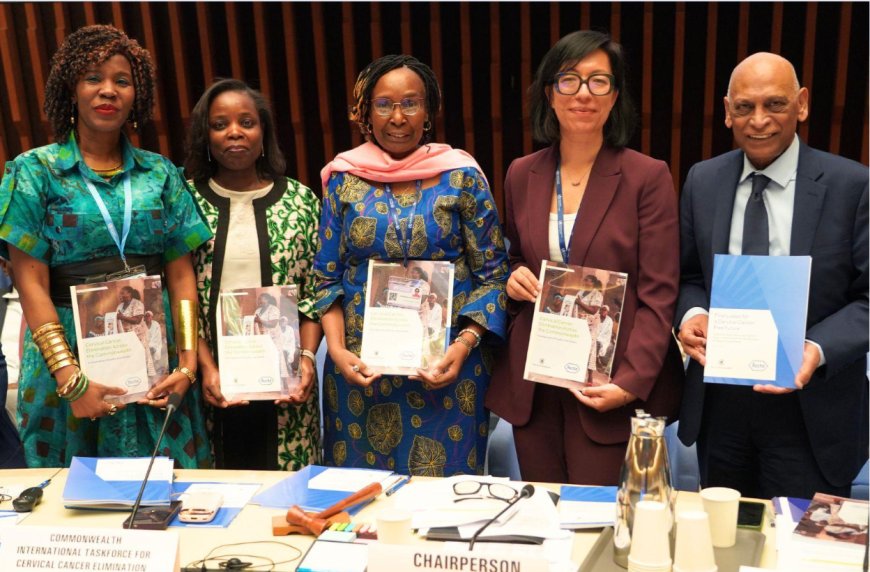
The Commonwealth Secretariat has unveiled a new report showcasing how member countries are accelerating efforts to eliminate cervical cancer through expanded vaccination, screening, treatment, and healthcare innovation.
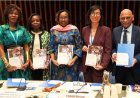
The report, titled Compendium of Country Case Studies on Cervical Cancer Elimination, was launched during the inaugural Commonwealth Health Coordination Forum held in Geneva ahead of the 79th World Health Assembly (WHA). The event brought together health ministers, policymakers, development partners, and global health experts to discuss collaborative strategies for reducing cancer-related deaths among women across Commonwealth nations.
Commonwealth Countries Showcase Progress in Cervical Cancer Prevention
Developed in partnership with member governments and Roche Diagnostics, the report presents practical case studies from 12 Commonwealth countries demonstrating how healthcare systems are addressing cervical cancer through targeted public health interventions.
Several countries were highlighted for innovative approaches and measurable progress:
- Australia continues advancing toward cervical cancer elimination through a nationwide HPV vaccination programme, organised screening systems, and self-collection testing initiatives.
- Nigeria was recognised for its nationwide single-dose HPV vaccination campaign launched in 2023, which reportedly vaccinated nearly 17 million girls by early 2026 under the leadership of First Lady Senator Oluremi Tinubu.
- Bangladesh implemented a large-scale HPV vaccination campaign supported by digital tracking systems to improve monitoring and follow-up.
- Kenya strengthened national cancer control through partnerships supporting vaccination, screening, and treatment services.
- Malaysia expanded HPV-based testing through decentralised healthcare delivery and digital screening systems.
- Zambia integrated cervical cancer screening into HIV treatment platforms, improving access in low-resource communities.
- Fiji, Belize, and Antigua and Barbuda also demonstrated successful prevention and screening strategies tailored to small island healthcare systems.
WHO Calls for Stronger Health Systems and Equitable Access
Speaking at the forum, World Health Organization Assistant Director-General Dr. Jeremy Farrar stressed the importance of building equitable healthcare systems capable of supporting cancer prevention, diagnosis, and treatment.
According to him, sustainable cancer elimination requires governments to strengthen healthcare access while ensuring prevention and treatment services remain affordable and widely available.
The discussions at the forum were also informed by findings from the Lancet Oncology Commission on Cancer in the Commonwealth, which examined challenges facing cancer care systems across member nations.
Commonwealth Leaders Push for Collaborative Cancer Elimination Strategy
In a video message delivered during the event, Guyana’s President, Mohamed Irfaan Ali, commended the Commonwealth’s commitment to eliminating cervical cancer by 2050 and called for stronger international collaboration to achieve the goal.
The Commonwealth Secretary-General, Shirley Botchwey, also introduced a new Cervical Cancer Advocacy Toolkit designed to help First Ladies, spouses, and partners of heads of government lead awareness campaigns and policy advocacy in their respective countries.
She noted that influential national advocates can help accelerate public awareness, healthcare investment, and political commitment toward women’s health initiatives.
Nigeria Participates in Financing and Cancer Care Discussions
Nigeria also played a key role during discussions on cancer financing and healthcare sustainability. The session on cancer care financing was co-chaired by Usman Malami Aliyu, Director-General of Nigeria’s National Institute for Cancer Research and Treatment (NICRAT).
Participants discussed strategies for protecting cancer services within Universal Health Coverage (UHC) systems amid rising financial pressures and declining external funding support.
Healthcare leaders at the event stressed that stronger domestic investment, better data systems, and coordinated healthcare policies would be essential for achieving long-term cervical cancer elimination targets across the Commonwealth.
Forum Focuses on Long-Term Healthcare Collaboration
The Commonwealth Health Coordination Forum was chaired by former Guyana Health Minister Leslie Ramsammy under the theme “Shaping the Future of Cancer Across the Commonwealth.”
The forum also explored:
- National cancer control plans
- Healthcare financing models
- Early detection and screening strategies
- Expansion of treatment and palliative care
- Digital health systems and healthcare accountability
The Commonwealth Secretariat confirmed that recommendations from the forum will be presented at future meetings of Commonwealth Health Ministers as member nations continue coordinating efforts to eliminate preventable cancers and strengthen public health systems worldwide.
What's Your Reaction?
 Like
0
Like
0
 Dislike
0
Dislike
0
 Love
0
Love
0
 Funny
0
Funny
0
 Angry
0
Angry
0
 Sad
0
Sad
0
 Wow
0
Wow
0