




































Health on a Shoestring: Why Nigeria’s 2026 Per Capita Health Spend is Less Than Two Bags of Sachet Water
Health on a Shoestring: Why Nigeria’s 2026 Per Capita Health Spend is Less Than Two Bags of Sachet Water
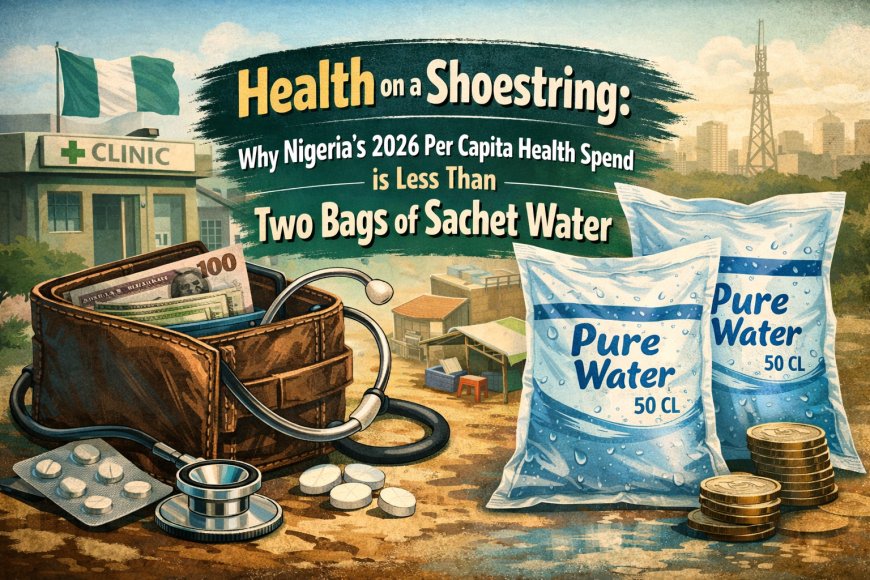
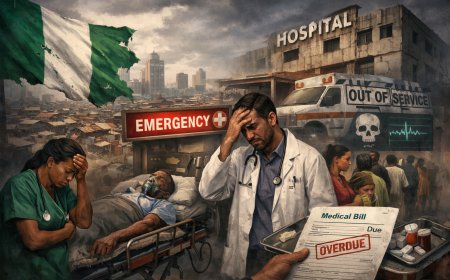
As Nigeria navigates a complex macroeconomic landscape characterized by currency volatility and persistent inflation, the discourse surrounding the national budget has moved beyond mere figures to the human cost of fiscal priorities. While the 2026 Budget is currently being framed within the Medium-Term Expenditure Framework (MTEF), a sobering reality is emerging: the projected per capita health expenditure for the average Nigerian is set to fall below the market cost of two bags of sachet water.
This comparison is not merely a rhetorical device; it is a stark indictment of the chronic underfunding that plagues Africa’s largest economy. When the cost of basic hydration outstrips the government’s investment in a citizen’s life, the "Renewed Hope" agenda faces its most significant litmus test.
The Mathematics of Marginalization
To understand the gravity of the situation, one must look at the intersection of population growth and budgetary allocation. With Nigeria’s population projected to exceed 230 million by 2026, any incremental increase in the health budget is quickly diluted.
Current fiscal trends suggest that despite nominal increases in the health sector's allocation, the real value—when adjusted for the depreciation of the Naira and double-digit inflation—is shrinking. In many states and at the federal level, the calculated per capita spend on health translates to less than ₦1,500 per annum. In today’s economy, where a bag of sachet water (a basic commodity) has risen to between ₦400 and ₦700 depending on the region, the government’s annual commitment to an individual’s healthcare is effectively the price of two bags of water.
The Abuja Declaration: A Forgotten Promise
In 2001, African Union countries met in Ethiopia’s capital and pledged to allocate at least 15% of their annual budgets to the health sector. Twenty-five years later, as we look toward 2026, Nigeria consistently falls short, often hovering between 4% and 6%.
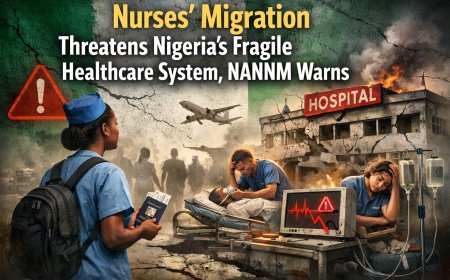
The gap between the 15% pledge and the current reality represents more than just missing billions; it represents a lack of primary healthcare centers, a shortage of essential medicines, and the continued "brain drain" of Nigerian medical professionals seeking better conditions abroad. When the per capita spend is this low, the burden of healthcare shifts entirely to the citizen.
The Crisis of Out-of-Pocket Expenditure
The direct consequence of low per capita public spending is a high rate of Out-of-Pocket Expenditure (OOPE). In Nigeria, OOPE accounts for over 70% of total health spending. This is one of the highest rates in the world.
For the average Nigerian, a sudden illness is not just a medical emergency; it is a financial catastrophe. When the state’s contribution is less than the cost of two bags of sachet water, the "working poor" are one malaria bout away from poverty, and the "vulnerable" are left with no safety net at all. This fiscal dynamic effectively privatizes survival, ensuring that quality healthcare remains a luxury rather than a fundamental right.
The 2026 Budget: A Pivot Point?
As the 2026 Budget takes shape, policymakers face a choice. They can continue the tradition of "incremental budgeting," where figures are slightly adjusted for inflation without structural changes, or they can embrace radical fiscal reform.
To move beyond the "sachet water" benchmark, Nigeria must:
1. **Prioritize Primary Healthcare (PHC):** Funding must be decentralized to ensure that the meager per capita spend reaches the grassroots, where the impact on maternal and infant mortality is most significant.
2. **Mandatory Health Insurance:** The implementation of the National Health Insurance Authority (NHIA) Act must be accelerated to pool risks and reduce the reliance on direct out-of-pocket payments.
3. **Innovative Financing:** With dwindling oil revenues, the government must explore "sin taxes" (on tobacco and sugar-sweetened beverages) and earmark these funds specifically for the Basic Health Care Provision Fund (BHCPF).
Conclusion
The metric of "two bags of sachet water" serves as a painful reminder of the devaluation of human life in fiscal planning. Health is the bedrock of economic productivity; an unhealthy workforce cannot drive a GDP revolution.
As the 2026 budget debates commence, the focus must shift from trillions of Naira in total spend to the tangible value delivered to each Nigerian. Until the per capita health expenditure significantly exceeds the cost of the most basic commodities, the dream of a healthy, prosperous nation will remain as fluid as the water we use for comparison.
Nigeria cannot afford to fund its future with spare change. It is time to treat healthcare as the strategic investment it is, rather than a budgetary afterthought.
What's Your Reaction?
 Like
0
Like
0
 Dislike
0
Dislike
0
 Love
0
Love
0
 Funny
0
Funny
0
 Angry
0
Angry
0
 Sad
0
Sad
0
 Wow
0
Wow
0