







































Kled’s Nigeria Ban Sparks Debate Over AI Data Exploitation and Digital Rights
Kled’s Nigeria Ban Sparks Debate Over AI Data Exploitation and Digital Rights
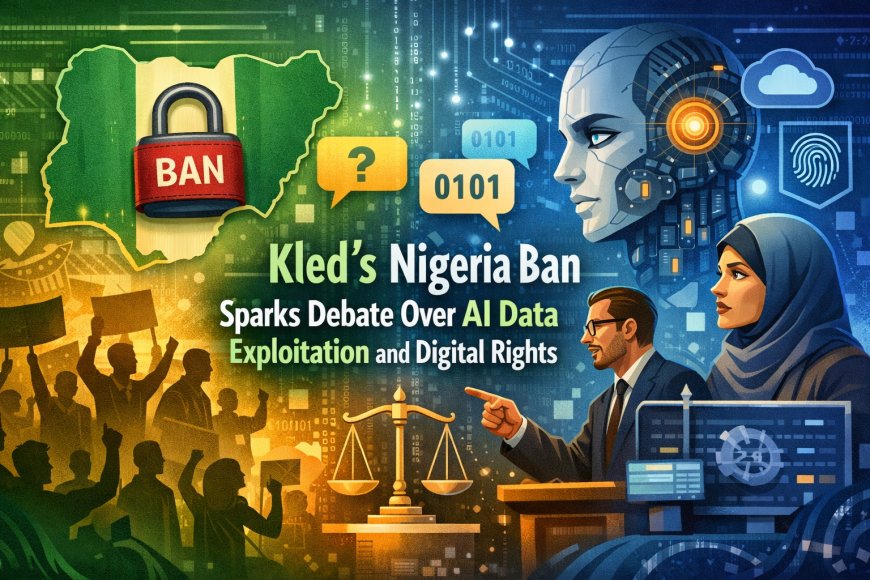
A growing controversy surrounding AI data platform Kled has reignited conversations about digital exploitation, data privacy, and the future of AI labor in Africa.
The San Francisco-based startup, launched only a few months ago, reportedly paid users small amounts of money to upload personal photos, videos, and documents that were later packaged into datasets for artificial intelligence training. The company attracted global attention after announcing a ban on Nigerian users, claiming that a large percentage of uploads from the country were fraudulent.
According to the company’s founder, the decision followed reports of fake documents, recycled images, and AI-generated content being submitted through the platform. While Kled stated that operations would continue in other African countries, the move triggered widespread criticism online.
The Bigger Question: Who Really Benefits?
Critics argue that the issue goes beyond fraud. Many analysts believe the controversy highlights a deeper imbalance in the global AI economy, where users in developing countries provide valuable personal data for minimal compensation while tech companies and investors reap massive profits.
The platform reportedly encouraged contributors to upload everyday lifestyle content, including household activities, work routines, and personal media. Experts say such data has become extremely valuable in the race to train advanced AI systems.
As AI adoption grows worldwide, concerns are increasing over how personal data is collected, monetized, and protected — especially in regions with high unemployment and economic hardship.
Rising Concerns Over Data Privacy
The incident has also raised questions about digital consent and data protection in Africa. Privacy advocates argue that many users may not fully understand how their information could be used, stored, or resold in the future.
Nigeria’s data protection regulations, including the Nigeria Data Protection Act (NDPA), could potentially place foreign platforms handling Nigerian user data under regulatory scrutiny. Some observers are now calling for stronger enforcement of data privacy laws and greater oversight of AI-related platforms operating across Africa.
AI Opportunities Must Include Fair Protection
Despite the controversy, many experts agree that Africa remains a critical part of the global digital economy due to its young population, growing internet access, and expanding tech ecosystem.
However, analysts warn that without stronger protections, the continent risks becoming a low-cost data source for foreign AI companies rather than a true beneficiary of the AI revolution.
The Kled controversy serves as another reminder that as artificial intelligence reshapes industries worldwide, conversations around ethical data use, digital rights, and fair compensation are becoming more important than ever.
What's Your Reaction?
 Like
0
Like
0
 Dislike
0
Dislike
0
 Love
0
Love
0
 Funny
0
Funny
0
 Angry
0
Angry
0
 Sad
0
Sad
0
 Wow
0
Wow
0