

















































The Rise of Testosterone Replacement Therapy: Clinical Indications and Medical Necessity
The Rise of Testosterone Replacement Therapy: Clinical Indications and Medical Necessity
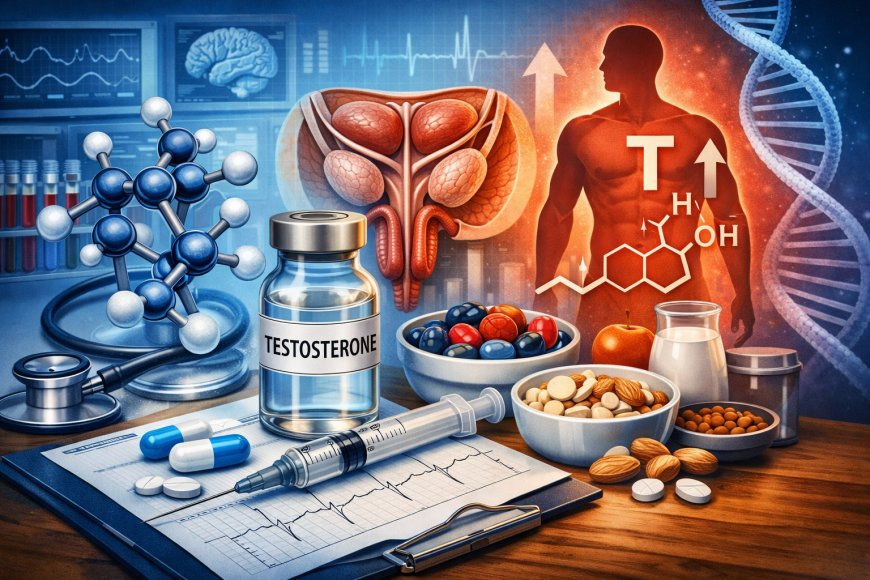
In recent years, Testosterone Replacement Therapy (TRT) has transitioned from a niche medical intervention to a significant trend in the wellness and pharmaceutical industries. Driven by aggressive direct-to-consumer marketing and a growing societal focus on "longevity medicine," the demand for testosterone supplementation has surged. However, as the therapy becomes increasingly popularized, it is essential to distinguish between elective lifestyle enhancement and genuine medical necessity.
The Biological Context
Testosterone is the primary androgenic hormone in the male body, responsible for maintaining bone density, muscle mass, libido, and erythropoiesis (the production of red blood cells). It is a physiological reality that testosterone levels naturally decline at a rate of approximately 1% to 2% per year after the age of 30. While this gradual reduction is a standard part of the aging process, it does not necessarily equate to a clinical deficiency.
Identifying the Candidate: Who Truly Needs TRT?
The clinical application of testosterone therapy is primarily indicated for individuals diagnosed with **hypogonadism**. This condition is characterized by the body’s inability to produce sufficient levels of testosterone due to a disruption in the hypothalamic-pituitary-gonadal axis.
To receive a formal diagnosis, medical guidelines—such as those provided by the Endocrine Society—require two specific criteria:
1. **Biochemical Evidence:** Repeated blood tests confirming low serum testosterone levels (typically below 300 ng/dL), ideally measured in the early morning when levels are at their peak.
2. **Persistent Symptoms:** The presence of clinical symptoms, including unexplained fatigue, significant loss of libido, erectile dysfunction, decreased bone mineral density, or depressive mood.
TRT is not intended for individuals experiencing the minor, transient fluctuations in energy or muscle tone that accompany a sedentary lifestyle or poor sleep hygiene. Rather, it is for those whose physiological deficiency significantly impairs systemic health and quality of life.
The Rationale for Treatment
The "why" behind TRT is rooted in metabolic and physical stabilization. For patients with pathological hypogonadism, the therapy serves several critical functions:
Metabolic Health: Low testosterone is often linked to increased visceral fat and insulin resistance. Therapy can help improve body composition and reduce the risk of Type 2 diabetes.
Skeletal Integrity: Testosterone is vital for bone resorption balance; untreated deficiency can lead to osteoporosis and increased fracture risk.
Cognitive and Psychological Stability: Many patients report a marked improvement in cognitive clarity and a reduction in the "brain fog" and irritability associated with low androgen levels.
The Importance of Clinical Oversight
The "trending" nature of TRT has led to a proliferation of specialized clinics that may occasionally overlook the risks associated with the treatment. Potential side effects include polycythemia (an abnormal increase in red blood cells), suppression of natural sperm production, and potential cardiovascular complications in high-risk patients.
In conclusion, while testosterone therapy offers profound benefits for those with a documented medical deficiency, it is not a universal solution for the challenges of aging. A formal diagnosis, rooted in rigorous blood chemistry and clinical evaluation, remains the only appropriate pathway for initiating treatment. As the therapy continues to gain popularity, maintaining a strict adherence to clinical guidelines is paramount to ensuring patient safety and therapeutic efficacy.
What's Your Reaction?
 Like
0
Like
0
 Dislike
0
Dislike
0
 Love
0
Love
0
 Funny
0
Funny
0
 Angry
0
Angry
0
 Sad
0
Sad
0
 Wow
0
Wow
0