












































Nurses’ Migration Threatens Nigeria’s Fragile Healthcare System, NANNM Warns
Nurses’ Migration Threatens Nigeria’s Fragile Healthcare System, NANNM Warns
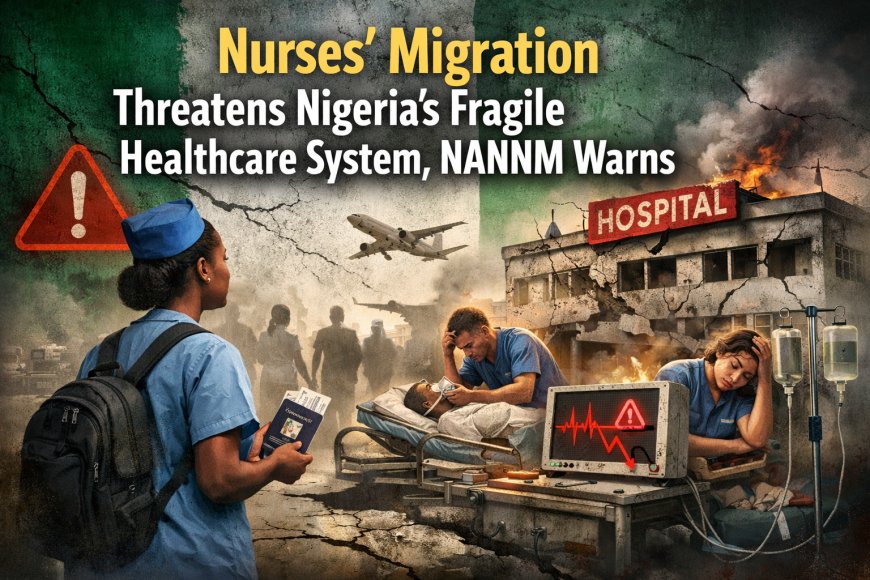
The National Association of Nigerian Nurses and Midwives has raised serious concerns over the increasing migration of Nigerian nurses abroad, warning that the trend is placing additional pressure on the country’s already overstretched healthcare system.
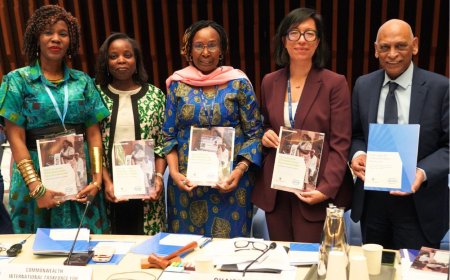
Speaking during the 2026 International Nurses Day celebration in Abuja, NANNM President Haruna Mamman said the continued exodus of healthcare professionals is worsening Nigeria’s healthcare workforce crisis.
According to him, more than 57,000 Nigerian nurses have left the country within the last five years in search of better working conditions and improved career opportunities overseas.
Over 16,000 Nigerian Nurses Moved to the UK
Mamman disclosed that approximately 16,000 Nigerian nurses migrated to the United Kingdom alone as of December 2025, highlighting the growing scale of medical brain drain affecting Nigeria’s health sector.
He described Nigerian nurses and midwives as some of the best-trained healthcare professionals globally but noted that poor welfare conditions continue to push them out of the country.
“It is on record that Nigerian nurses and midwives are among the best across the world. Yet many continue to leave Nigeria in search of better opportunities abroad,” he said.
Poor Working Conditions Driving Brain Drain
The NANNM president identified several major factors fueling the migration trend, including:
- Poor remuneration
- Unfavorable working conditions
- Insecurity and kidnapping concerns
- Limited career growth opportunities
- Lack of adequate employment opportunities
According to Mamman, many healthcare professionals would prefer to remain in Nigeria if the environment supported their professional growth and well-being.
“Many nurses wish to stay and work in Nigeria, but the prevailing conditions continue to push them out,” he added.
Nigeria’s Healthcare System Under Pressure
Nigeria has continued to experience a major healthcare workforce shortage as doctors, nurses, and other medical professionals increasingly relocate to countries such as the United Kingdom, Canada, the United States, and Saudi Arabia.
Health experts warn that the growing migration of skilled workers is placing severe strain on healthcare delivery, particularly in rural and underserved communities where access to qualified medical personnel remains limited.
The shortage has also increased pressure on the healthcare workers who remain in the country, contributing to burnout, reduced efficiency, and declining access to quality care.
International Nurses Day Highlights Need for Reform
The 2026 International Nurses Day celebration was held under the theme:
“Our Nurses. Our Future. Empowered Nurses Save Lives.”
Mamman said the theme reflects the urgent need for governments and stakeholders to invest more in nurses through improved welfare, safer work environments, leadership opportunities, and continuous professional development.
He stressed that empowering nurses is critical to strengthening healthcare delivery and improving patient outcomes nationwide.
“The theme highlights that nurses must have the authority, support, and resources needed to provide quality and person-centred healthcare services,” he said.
Calls for Government Action
The NANNM president urged the Federal Government and other critical stakeholders to take immediate steps to address the conditions driving healthcare professionals abroad.
He warned that failure to act could further weaken Nigeria’s healthcare system and increase the burden on vulnerable populations.
Mamman also emphasized the importance of improving nurses’ mental well-being, expanding professional education opportunities, and creating policies that encourage healthcare workers to remain in Nigeria.
Despite the challenges, he praised Nigerian nurses for their dedication and sacrifices in delivering patient care across the country.
“You are often the first and last person to attend to a patient. Your commitment, sacrifices, and resilience continue to save lives every day,” he said.
Growing Concerns Over Nigeria’s Medical Brain Drain
Recent data from the Nursing and Midwifery Council continues to show Nigeria among the leading sources of foreign-trained nurses entering the UK healthcare system.
Healthcare analysts say the trend underscores the urgent need for structural reforms in Nigeria’s health sector, including improved salaries, better infrastructure, enhanced security, and expanded career opportunities for medical professionals.
As Nigeria continues to battle healthcare workforce shortages, stakeholders warn that reversing the brain drain trend will require long-term investment and coordinated policy action aimed at retaining skilled healthcare workers within the country.
What's Your Reaction?
 Like
0
Like
0
 Dislike
0
Dislike
0
 Love
0
Love
0
 Funny
0
Funny
0
 Angry
0
Angry
0
 Sad
0
Sad
0
 Wow
0
Wow
0